Essentials You Shouldn’t Put on the Truck: A Carry-On for Moving Day
There is a moment at the end of a long move when you finally sit, shoes off, and look for your phone charger, the dog leash, and that folder with the lease and IDs. If they are buried in a truck halfway down I‑5 or tucked in a box labeled “misc,” the day stretches from tiring to miserable. A good carry‑on for moving day solves that. It lives with you, not on the truck, and it covers the gaps that always show up between load‑out and the first night. The right kit protects you from paperwork tangles, minor annoyances, and genuine emergencies.
I have worked dozens of local moves that ran smooth because the family kept a disciplined carry‑on and dozens more that frayed because someone trusted the wrong box to the cargo area. The difference comes down to planning and a little stubbornness. Your movers might be excellent. The weather might be perfect. But you cannot outsource your ID, your meds, or your kid’s sleep routine. Those stay with you.
What “carry‑on” means on a move, not a flight
On moving day, carry‑on means anything that does not ride in the moving truck. You will keep it in your car, your backpack, or by your side. It is a category, not a single bag. Most households end up with a combination: a shoulder bag or backpack for personal essentials, a small tote for documents and devices, a cooler for perishables, and a clear bin for first‑night gear. The point is control. If traffic stalls on I‑5 north of Seattle, if the elevator lockout in a Marysville apartment delays unloading, if your truck unloads the next morning on a long distance move, you should still function.
Movers can be careful, but we cannot magic a box out of a packed wall without opening a seam and wasting time. A carry‑on prevents that conversation. You will never hear a crew lead say, “I wish the customer had put more on the truck that they need today.” The opposite, constantly.
The short list that never rides the truck
Every household is different, but after many Snohomish County moves, the same core items surface. Treat these as non‑negotiable. If you only remember a handful of categories, make it these.
- Wallets and IDs for all adults, plus car titles, passports, birth certificates, and any immigration or court documents that matter this month Prescription medications, medical devices, and a written list of dosages and doctors’ phone numbers Daily tech you cannot work or communicate without: phones, laptops, chargers, hotspot or router, and a compact power strip Financial and home documents that trigger services: lease or closing documents, insurance cards, moving estimate and inventory, utility account info Keys and access items: car keys, new home keys, mailbox keys, gate fobs, elevator reservation confirmations
That is one list. Keep it short and literal. If any of these ride the truck, you are borrowing stress.
Why vital documents and funds stay with you
Paper feels old‑fashioned until you are standing in a leasing office with no ID and a manager who can only accept originals, not photos. I have seen a closing delayed because the packet with wire instructions rode in a banker’s box in the second tier of a truck stack. It took an hour of unloading to fetch it. Another family needed a child’s passport for an international flight two days after move‑in. The envelope had been packed with “office stuff” and went to storage by mistake. That detour cost three days and a rebooking fee.
Keep a rigid document folder with a zip or buckle. Load it with IDs, insurance, lease or settlement statements, vehicle titles, birth certificates you might need for school enrollments, and a checkbook. Add a handful of blank checks or cash for parking meters and building deposits, since card readers love to fail at the worst time. Place this folder in your personal backpack, not in an open tote that can wander.
Medications, devices, and why redundancy matters
Prescription drugs are not replaceable on the fly, and some require climate control. Pack at least a week’s supply per person in a small organizer with printed dosage instructions. Add the pharmacy’s contact line and your physician’s number. Insulin, EpiPens, inhalers, and other emergency‑use items belong within reach, not in a kitchen box. Use a small insulated cooler with ice packs for meds that need it. The extra five minutes to set this up pays off when move‑day stretches from six hours to twelve.
For medical devices, pack power cords and spare batteries alongside the device, not in a separate tech pile. I have seen CPAP machines arrive without hoses, blood pressure cuffs arrive without the cuff, and glucose meters show up with dead coin cells. Tape spare batteries to the device case. Small redundancies prevent big headaches.
Work and school gear you will actually use in the first 48 hours
The rise of remote work adds a layer. If you work from home, assume you will need to plug in and send at least an email on move day. Your carry‑on should include your laptop, primary charger, a short Ethernet cable and USB‑C hub if you rely on one, plus a hotspot or your router and power brick. You may not get internet installed the same day. I keep a compact power strip in my bag with a 10‑foot cord so we can set a temporary desk anywhere near the wall. If your job relies on two‑factor authentication, bring your hardware token or verify that your phone has active service.
For school‑age kids, pack tablets, charging cables, and headphones. If they have an assignment due, download what you can beforehand. Power calms. A tablet that works can buy you three hours of quiet while the crew navigates stairs, tight hallways, or a loading zone window.
Food, water, and basic hygiene
People forget how long loading takes when stairs or long carries come into play. A Marysville apartment on the third floor with a distant parking spot can stretch timelines even with a strong crew. A cooler with cold water and simple snacks keeps blood sugar steady and stops the mid‑day meltdown. Think grab‑and‑go: protein bars, grapes, cheese sticks, cut fruit, sandwiches wrapped in foil. Skip drippy containers that become sticky hazards. Include paper towels and a trash bag in the cooler pocket for a quick cleanup.
Pack a small toiletry kit for every person. Toothbrushes, toothpaste, soap, face wipes, deodorant, and any daily skincare or contacts. Add a roll of toilet paper per bathroom, hand soap, and a small towel. I have carried TP in the glove box of every move vehicle for years because it ends more panic than any other item.
Clothing and sleep gear that carry the first night
First night in a new place feels better if you can shower, change into clean clothes, and crawl into proper bedding. Your carry‑on should cover one to two days of clothing for each person, including socks and undergarments. If rain is in the forecast, include a lightweight rain jacket. Even for short local moves, weather in Western Washington has a mind of its own. When the forecast swings, the move slows and the day lengthens.
For sleep, keep a set of sheets per bed and pillowcases in a breathable bag, a couple of blankets, and at least one air mattress if your beds will be assembled late. If toddlers or kids rely on a particular stuffed animal or blanket, pack them in your personal bag. I watched one family keep a meltdown at bay because the favorite plush bunny stayed in the backpack, not on the truck.
Tools and safety items you will actually need
Movers bring tools. Still, certain things go faster when the homeowner has access to a simple kit. Keep a small tote with a multi‑bit screwdriver, Allen keys, a box cutter, scissors, painter’s tape, a Sharpie, and a tape measure. Blue painter’s tape and a marker can label rooms on the fly when the building’s unit map makes no sense. Add light bulbs, a basic first‑aid kit, and a flashlight or headlamp for basements or attics. A few pairs of nitrile gloves help when you encounter a mess on move‑out or move‑in.
If you are moving locally in Snohomish County and plan to park on a busy street, toss a couple of traffic cones or bright collapsible triangles in your trunk. You may not use them, but when a neighbor has guests, a cone preserves the space your movers need.
Defining the line: what can go on the truck without drama
Not everything needs to ride with you. If you are organized, many daily items can safely go in labeled boxes. Towels, pantry staples, pots, and most clothing are fine on the truck. Furniture, boxed decor, and non‑urgent hobby gear can wait. The decision point is access and consequence. If losing track of an item for 24 to 72 hours would cause genuine stress or financial risk, do not load it. If you could shrug and borrow or buy another quickly, box it and let the crew stack it properly. Pros build a stable truck pack and protect hardwood floors during a move. We pad, wrap, and stage with purpose. Your carry‑on should be the exception, not half the house.
The clear bin method for your first night
One of the best habits I have seen is a single clear bin for first‑night house setup. It is not fragile or private, so it can ride in your own car or be the last item onto the truck and the first off, but I prefer it stays with you. In the bin: a set of plates and utensils for four, a small pot and pan, dish soap and a sponge, a roll of paper towels, a pack of antibacterial wipes, a few trash bags, a shower curtain liner and rings if your new place needs one, and a simple tool for assembling beds. Add a small box of laundry pods and a few clothespins or chip clips. Clear bins let you see exactly what is where without unpacking.
Pets and small children: their carry‑on is not optional
Pets do not understand moving day. Dogs pick up the stress, and cats vanish. Keep a pet kit with food for two days, bowls, leashes, waste bags, a familiar blanket, vaccination records, and any meds. If possible, secure pets offsite during load‑out and move‑in. Barring that, create a closed room with a note on the door, and tell your crew. Movers are careful, but an open door and a curious cat make a bad pair.
For small children, a backpack with their daytime essentials works wonders: a change of clothes, snacks, a water bottle, a favorite small toy, wipes, and bedtime gear. Parents often add a white noise machine to cut through hallway echoes in a new apartment. It sounds small. It helps everyone sleep.
Weather and regional details that change your carry‑on
In Western Washington, plan for rain, even in summer. Pack towels that can double as runners, a couple of extra contractor bags for wet items, and an umbrella that actually opens. If the forecast shows a steady drizzle, a folded tarp in the trunk can cover a staging area just outside the door. Moving in Marysville, I think about I‑5 timing through Everett and the unpredictability of the U District bottleneck if you are coming from the south. Snacks and a charger turn a 35‑minute drive into an unremarkable 70‑minute one.
If you have a condo or apartment with elevator reservations or strict move‑in windows, print or save the confirmations and the property manager’s after‑hours number in your phone and on paper. A carry‑on folder turns what could be a standoff with security into a five‑minute check.
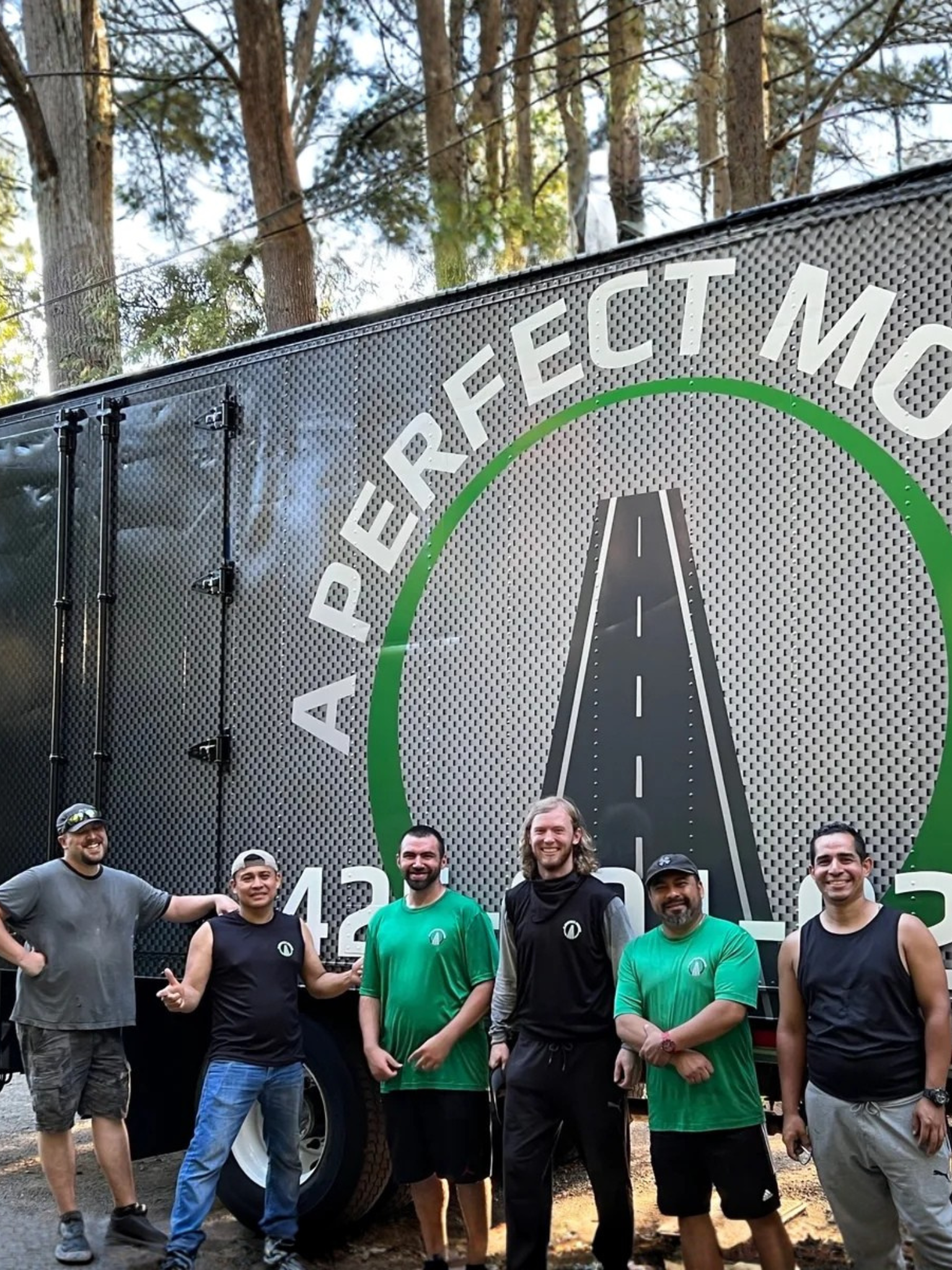
A field note from crews at A Perfect Mover Moving and Storage Service
Working with families across Snohomish County, the crews at A Perfect Mover Moving and Storage Service see the same pain points repeat. The people who do best keep their carry‑on separate from any “do not move” pile on the floor. That floor pile gets confused when the home fills with boxes. Someone decides to clear space, and a helpful friend moves the wrong tote toward the door. If your carry‑on stays zipped, sits on a chair, and rides in your car, it will not wander.
A Perfect Mover Moving and Storage Service crews often build a load plan based on the items you tell us must go last. When a customer says their first‑night clear bin and the baby’s crib hardware need to exit early, we stage them in the same final tier. We tape a bright label and tell the destination crew lead. The few minutes of coordination prevent the dreaded “Where are the bolts for the bed?” conversation at 8 p.m.
Avoiding the trap of the “misc” box
Every home spawns a box labeled “misc” at the end. It usually contains irreplaceables. In the last hour, people sweep junk drawers and nightstands into a single carton. Car titles, spare keys, gift cards, and cufflinks slide under a pile of pens and coins. Four hours later, that box is behind a dresser, under a stack, and nobody remembers which room it came from.
Protect yourself with two steps. First, sweep drawers a week earlier into labeled categories: keys and fobs, small electronics and cables, office supplies. Second, if you must fill a last‑minute box, put it in your car before anyone can set it down in the wrong place. Write “car” in giant letters on the sides. I watched a Marysville couple avoid two days of searching because they had written “car bin” on a tote that held their mailbox keys and router. The movers still loaded the house quickly, but that box missed the stack entirely.
The problem with putting your router on the truck
Internet service transitions cause outsized frustration. A router seems like a simple electronics item that belongs in tech boxes. But if your ISP needs the device ID to activate service, or if the technician has a narrow window, you will want it on hand. Pack the router, power brick, and a short Ethernet cable in your carry‑on. Label the brick with tape so it does not get mixed with a laptop charger. During move‑in, you will often plug the router into the only live outlet near the entry while the bigger furniture arrives. It is one of those small choices that saves an hour.
What to do with cash, jewelry, and irreplaceables
Movers do not want possession of your jewelry, cash, or irreplaceable keepsakes. Responsible companies have policies that encourage customers to keep those items with them. A small fireproof lockbox with a carrying handle is the best home for these on moving day. If that is not available, use a discreet backpack you control. Do not stage valuables by the door or on a kitchen counter. Those surfaces become high‑traffic and high‑confusion areas.
Keeping hardware and small parts with you, or at least findable fast
Disassembling furniture creates a minefield of fasteners and odd parts that no one wants to sort in a dark bedroom at 10 p.m. Crews at A Perfect Mover Moving and Storage Service bag and tape hardware to the associated piece, then shrink wrap over the bag. When homeowners disassemble themselves, trouble creeps in when bags are tossed in a “tools” box and separated from their furniture. If you handle disassembly, put hardware in a labeled zipper bag and tape it to the headboard, dresser back, or table underside. Take a photo before tape goes on. For especially important pieces, keep the hardware bag in your carry‑on, then hand it to the crew lead on arrival. That small habit allows quick reassembly and avoids hunting through boxes.
The storage detour and why a carry‑on matters even more
If your move includes a storage stop or has a two‑stage plan, your carry‑on becomes mission critical. When you load storage first, everything not in your immediate kit is fair game for a 30‑day nap. I have seen families wave through three boxes marked “kitchen” because they assumed they were duplicates, then realize their everyday coffee maker and the only can opener were in storage. Build a short “do not store” list and repeat it to your crew before any box crosses the threshold. With multiple stops, a clear set of instructions and bright tape on critical items helps.
Extended travel and long distance delivery windows
Cross‑state moves change the calculus. Delivery windows can span several days depending on distance and route. a perfect move reviews aperfectmover.com That is normal in the industry. What you carry needs to cover the real gap: clothes for a week, a compact set of kitchen items, and any work or school gear needed during transit. I encourage a small, soft duffel per person, plus the same document and medication setup described earlier. Treat the move like a road trip with a permanent destination, not just a moving day. The kit that feels extra on a local job becomes central on a long haul.
Two common edge cases people overlook
First, parking and keys. If you are moving into a complex with assigned parking or a tight downtown street, keep printed permits, a handful of quarters for meters, and a map screenshot of acceptable staging areas. Phones die, reception fails in garages, and a paper permit taped to a windshield ends debate.
Second, cleaning. Many leases require a final sweep. A small cleaning caddy in your car with an all‑purpose spray, microfiber cloths, a broom head that screws onto any handle, and trash bags lets you do a quick last pass after the truck leaves. You do not want to reopen packed boxes for one sponge.
What goes wrong when the carry‑on grows too big
It is possible to overdo it. If you try to keep half your household with you, you will create the same search problem you were avoiding, just in your own car. Keep it tight. Your essentials kit should fit in one or two personal bags, one clear first‑night bin, a small cooler, and a tool tote. Anything beyond that deserves a second look. Ask the simple question: will this reduce stress on move day or create more?
How a disciplined carry‑on changes the move for your crew
Professional movers plan and stage loads for stability and speed. When homeowners zigzag through the stack to look for a charger, we lose rhythm, and the risk of a misstep rises. The best moves I have seen share the same pattern: the family keeps their carry‑on separate and accessible, the crew works the load from heavy to light with clean lines, and unloading follows a room map you taped by the front door. Everyone knows where the bed bolts are, where the router is, and where the snacks live. The day stays on schedule.
Crews from A Perfect Mover Moving and Storage Service often start the morning by walking the house and confirming your carry‑on and “leave behind” items. That five‑minute conversation sets boundaries and prevents accidental loading. When we see a clearly labeled document folder, a personal backpack, and a couple of bins by the front door, we ask, “All of this in the car?” A clear yes keeps it simple.
A simple practice run the night before
Do a five‑minute drill. Pretend the power went out at the old place, your phone has 20 percent, and the truck just pulled away. Can you get to your meds, IDs, chargers, a flashlight, a roll of toilet paper, and at least one blanket without opening a cardboard box? If the answer is no, your carry‑on is not ready. It is a humble test that exposes weak spots in your plan.
Final notes on calm, control, and the first night box
Moving day rewards discipline more than heroics. You do not need to pack like an expedition team, but you do need to keep non‑replaceables and time‑critical items in your control. Your carry‑on is a modest kit that prevents expensive mistakes and petty frustrations. It holds the things you would never check on a flight. You will open the door to a new place, flip on a light, plug in your router, hand your crew the bed hardware, feed the dog, and roll into the evening without a scavenger hunt. That is a win.
And if you are working with a crew, speak up about your carry‑on early. Good movers listen. At companies like A Perfect Mover Moving and Storage Service, the crew leads learn to ask the right questions because those five minutes shape the rest of the day. Your job is to keep your essentials close. Their job is to make sure the rest of your life arrives intact and lands in the right rooms. When both sides hold their end, the move feels less like chaos and more like a well‑run handoff.